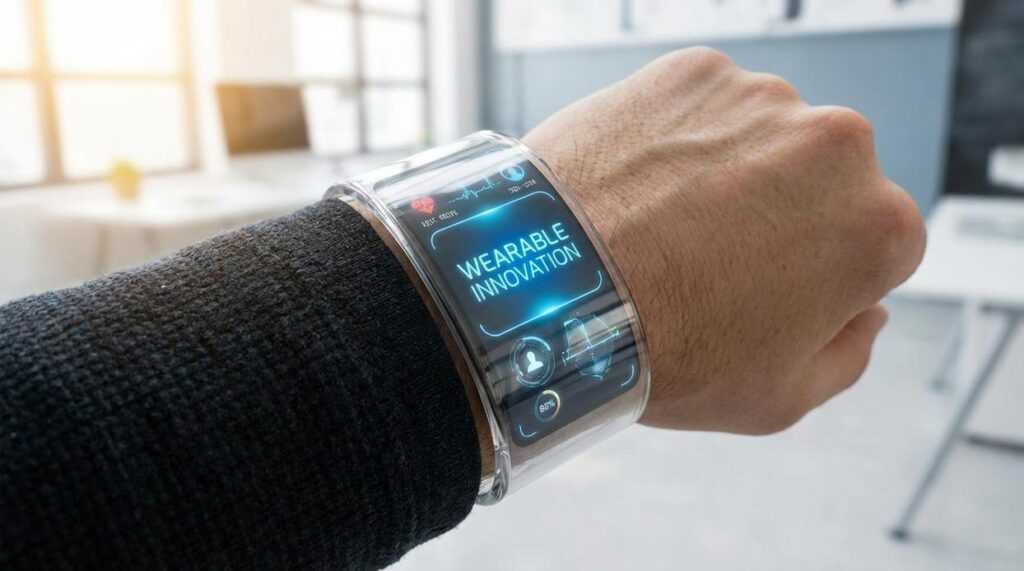
Technology is evolving faster than most professionals can track—and if you’re searching for clear insights into wearable technology growth, you likely want more than headlines. You want to understand what’s driving adoption, which innovations actually matter, and how these shifts impact digital ecosystems, device strategy, and machine learning integration.
This article breaks down the current state of wearable technology growth, highlighting the core technologies powering expansion, the strategic moves shaping the market, and the practical implications for developers, tech leaders, and forward‑thinking users. From sensor innovation to AI‑driven personalization, we focus on what’s scalable, sustainable, and commercially viable.
Our analysis is grounded in ongoing innovation monitoring, deep technical research, and hands‑on evaluation of emerging frameworks and device architectures. Rather than surface-level trend reporting, you’ll gain structured insights designed to help you anticipate change, refine strategy, and make informed decisions in a rapidly accelerating wearable landscape.
From Niche Gadgets to Mainstream Essentials: The Wearable Revolution
Wearables started as glorified pedometers (remember when 10,000 steps felt revolutionary?). Now they’re health monitors, payment tools, and AI companions wrapped around your wrist. The real driver behind wearable technology growth isn’t hype—it’s utility. Real-time biometrics (continuous tracking of body data like heart rate or oxygen levels) empower users to make faster, smarter health decisions.
Some argue wearables are just trendy add-ons. But consider this: Apple reported over 100 million active Apple Watch users globally (Apple, 2023). That’s not a fad—that’s behavioral shift.
What’s in it for you? Better health insights, frictionless payments, smarter notifications—and fewer excuses.
Beyond the Wrist: Redefining “Wearable” in Today’s Market
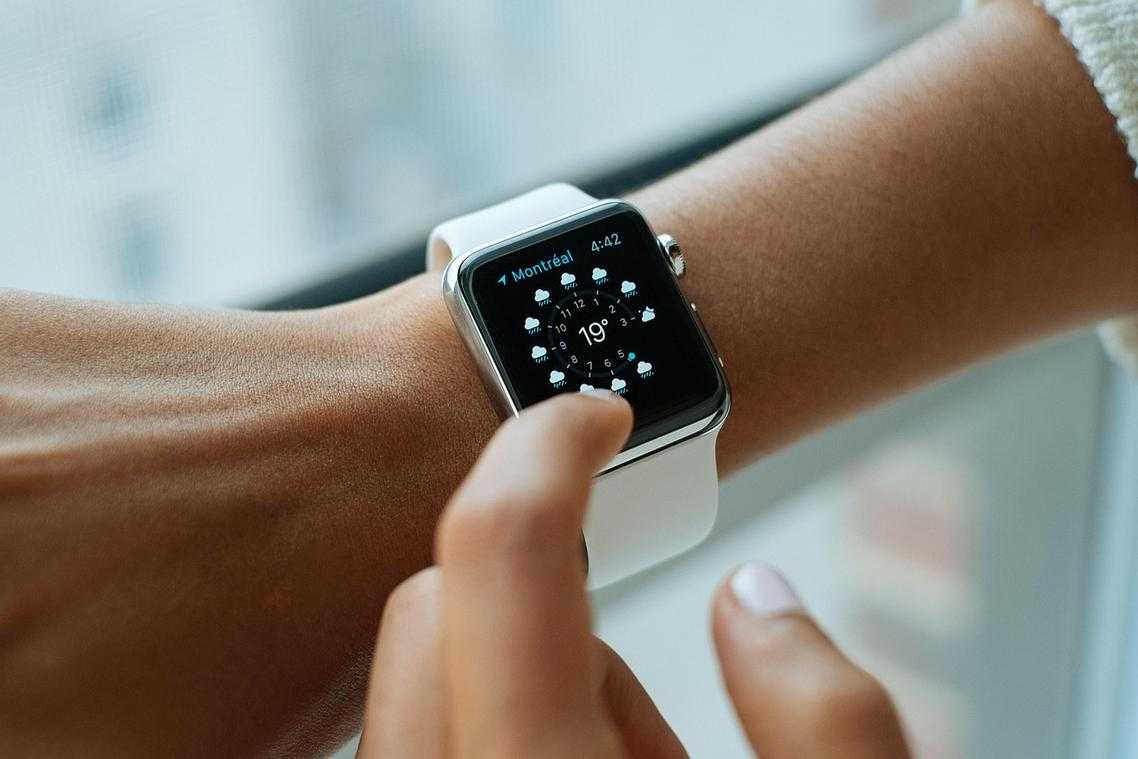
First-generation fitness trackers did one thing well: count steps (and occasionally guilt-trip you about them). Today’s devices are full-fledged health and communication hubs, tracking heart rate variability, blood oxygen, ECG patterns, and even stress loads. This shift reflects broader wearable technology growth, as devices evolve from smartphone accessories into independent tools.
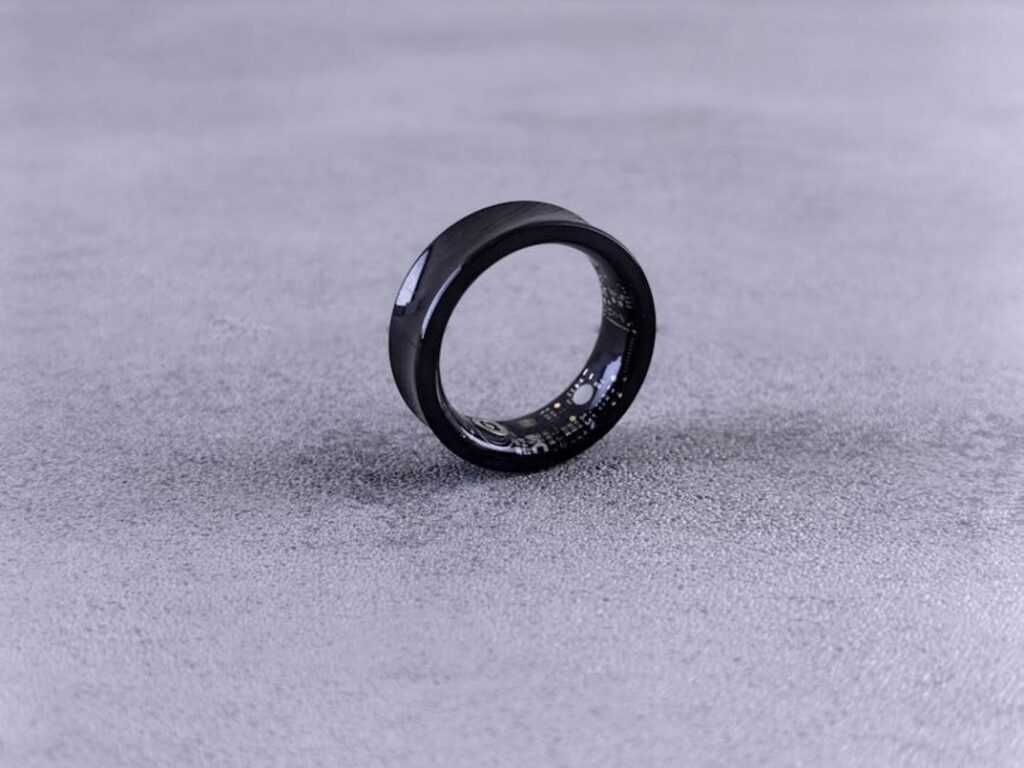
Skeptics argue most wearables are still glorified notification screens. They’re not entirely wrong—early smartwatches leaned heavily on phone tethering. But newer form factors prove the category is diversifying. Smart rings offer unobtrusive sleep and recovery tracking, ideal for users who dislike bulky wrist gear at night. Hearables—AI-powered earbuds—blend audio with biometric sensing, monitoring movement and temperature while delivering voice assistants in real time. Smart clothing embeds biometric sensors directly into fabric for athletes needing granular performance data. And AR glasses promise contextual overlays that reduce constant phone checking (think less “Black Mirror,” more heads-up navigation).
Different problems demand different shapes. Watches excel at interactive coaching during workouts; rings disappear into daily life for passive tracking. Critics say this fragmentation confuses buyers. Perhaps—but specialization often drives better solutions.
Pro tip: Choose the form factor that matches when you need data—active feedback or invisible insight.
The Core Drivers Fueling Unprecedented Market Demand
The Proactive Health Movement
Healthcare is shifting from reactive (treating illness after symptoms appear) to preventative (identifying risks before they escalate). Advanced wearable sensors now track ECG (electrocardiogram readings of heart rhythm), SpO2 (blood oxygen saturation), skin temperature, and HRV (heart rate variability, a measure of nervous system balance). Instead of annual checkups, users get daily insight.
Skeptics argue this creates anxiety or data overload. That’s fair—raw numbers without context can mislead. But when interpreted correctly, these metrics flag early warning signs. The CDC notes cardiovascular disease remains a leading cause of death globally, making early monitoring more than a trend—it’s practical prevention (CDC, 2024).
Hyper-Personalization through AI
Older devices tracked steps. Today’s systems apply on-device machine learning—algorithms that learn from user data locally—to translate biometrics into actionable recommendations. Instead of “sleep more,” you get “shift bedtime 40 minutes earlier based on HRV dips.” That specificity drives wearable technology growth.
Critics say AI insights can’t replace medical professionals. True. They shouldn’t. Think of them as a co-pilot, not the pilot (even Iron Man needed Jarvis). Pro tip: Prioritize devices that process data locally for faster insights and stronger privacy controls.
Seamless Convenience and Ecosystem Integration
Wearables now act as command hubs for:
- Smart home (IoT) automation
- Contactless payments (NFC)
- Hands-free communication
This reduces cognitive load—fewer micro-decisions, less phone dependency. If demand keeps rising, the next question is longevity. That’s where strategies like how to future proof your devices for software updates become essential. Because what’s next isn’t just smarter wearables—it’s sustainable, update-ready ecosystems.
Innovation Hotbeds: Key Technologies Powering the Expansion
The magic behind today’s wearables isn’t magic at all—it’s physics, silicon, and some very clever engineering. Let’s start with photoplethysmography (PPG), a light-based sensing method that measures blood volume changes beneath the skin. In plain English: tiny LEDs shine light into your wrist, and sensors track how it scatters to estimate heart rate and oxygen levels. Meanwhile, bioimpedance sensors send a low, harmless electrical current through the body to measure resistance, helping estimate metrics like body composition. Thanks to chip miniaturization and tighter signal processing, these components are now smaller, more power-efficient, and accurate enough to flirt with clinical-grade reliability (yes, your watch is basically cosplaying as a hospital monitor).
Equally transformative are on-device machine learning frameworks—lightweight AI models optimized to run directly on a wearable’s processor. Instead of shipping raw data to the cloud, algorithms analyze patterns locally. The result? Real-time alerts, lower latency, and stronger privacy because data stays on-device. Think less “upload and wait,” more “instant insight”—like having Jarvis from Iron Man, minus the British sass.
Then there’s the perennial villain: battery life. Historically, daily charging capped wearable technology growth. However, low-power chipsets, LTPO (low-temperature polycrystalline oxide) displays that dynamically adjust refresh rates, and smarter background-task scheduling now stretch usage from a single day to multiple weeks in some devices. Advanced power management algorithms even learn your habits to reduce unnecessary drain (kind of like your phone’s version of “work smarter, not harder”).
Put together, these innovations aren’t incremental—they’re compounding. Smaller sensors, local AI, and longer battery life create devices that feel less like gadgets and more like seamless extensions of ourselves.
The Shift to Invisible Systems
Personal technology is moving off screens and into fabrics, skin, and spaces. Smart textiles are fabrics woven with sensors. Biometric patches are thin stickers that track signals like heart rate. Neural interfaces connect brains to devices (think sci‑fi, but real).
Some argue this is hype. Yet wearable technology growth shows steady adoption (Statista).
| Term | Simple Meaning |
| Smart Textile | Clothing with built‑in sensors |
| Biometric Patch | Stick‑on health monitor |
In workplaces, hands‑free headsets boost logistics accuracy. The real hurdle? Data privacy, encryption standards, and shared health formats.
Integrating Tomorrow’s Tech Into Your Life Today
Last year I bought a smartwatch that promised everything short of making coffee, and within weeks I felt overwhelmed rather than optimized. The rapid expansion of wearables is driven by a fundamental shift toward personalized health and seamless data integration, not just shinier screens. Still, wearable technology growth makes choosing wisely surprisingly hard. Advanced sensors (tiny components that measure metrics like heart rate variability) and on-device AI—algorithms running locally for faster, private insights—are the real differentiators.
- Audit your routines before you buy.
Match features to goals, and the noise disappears for good.
Stay Ahead of the Curve in Modern Tech
You came here to make sense of today’s fast-moving innovation landscape—and now you have a clearer understanding of emerging technologies, practical digital strategies, and the real impact of wearable technology growth on the market.
The challenge isn’t access to information. It’s knowing what matters, what’s hype, and what actually drives results. Falling behind on core tech concepts or machine learning frameworks can cost you opportunities, efficiency, and competitive advantage.
Now it’s time to act.
Start applying these insights to your digital strategy. Evaluate how wearable solutions and intelligent systems fit into your roadmap. Prioritize tools that improve performance, scalability, and user experience.
If you’re ready to stay ahead instead of playing catch-up, subscribe for real-time innovation alerts and in-depth tech breakdowns trusted by thousands of forward-thinking professionals. Get the clarity you need—before the next wave passes you by.
 Head of Machine Learning & Systems Architecture
Justin Huntecovil is the kind of writer who genuinely cannot publish something without checking it twice. Maybe three times. They came to digital device trends and strategies through years of hands-on work rather than theory, which means the things they writes about — Digital Device Trends and Strategies, Practical Tech Application Hacks, Innovation Alerts, among other areas — are things they has actually tested, questioned, and revised opinions on more than once.
That shows in the work. Justin's pieces tend to go a level deeper than most. Not in a way that becomes unreadable, but in a way that makes you realize you'd been missing something important. They has a habit of finding the detail that everybody else glosses over and making it the center of the story — which sounds simple, but takes a rare combination of curiosity and patience to pull off consistently. The writing never feels rushed. It feels like someone who sat with the subject long enough to actually understand it.
Outside of specific topics, what Justin cares about most is whether the reader walks away with something useful. Not impressed. Not entertained. Useful. That's a harder bar to clear than it sounds, and they clears it more often than not — which is why readers tend to remember Justin's articles long after they've forgotten the headline.
Head of Machine Learning & Systems Architecture
Justin Huntecovil is the kind of writer who genuinely cannot publish something without checking it twice. Maybe three times. They came to digital device trends and strategies through years of hands-on work rather than theory, which means the things they writes about — Digital Device Trends and Strategies, Practical Tech Application Hacks, Innovation Alerts, among other areas — are things they has actually tested, questioned, and revised opinions on more than once.
That shows in the work. Justin's pieces tend to go a level deeper than most. Not in a way that becomes unreadable, but in a way that makes you realize you'd been missing something important. They has a habit of finding the detail that everybody else glosses over and making it the center of the story — which sounds simple, but takes a rare combination of curiosity and patience to pull off consistently. The writing never feels rushed. It feels like someone who sat with the subject long enough to actually understand it.
Outside of specific topics, what Justin cares about most is whether the reader walks away with something useful. Not impressed. Not entertained. Useful. That's a harder bar to clear than it sounds, and they clears it more often than not — which is why readers tend to remember Justin's articles long after they've forgotten the headline.