
Finding a haircut that’s both stylish and professional, yet easy to manage, can feel like a never-ending quest. You want something modern but not too trendy. Something that looks good in the office and out on the town.
The textured low fade is the answer. It’s versatile, sharp, and works for just about any guy.
But here’s the catch: you might not know how to ask for it. Or maybe you’ve seen it but can’t put a name to it. This guide will break it down for you.
We’ll cover what the cut is, who it’s for, how to ask for it, and even how to style it at home.
This isn’t just another article. It’s your go-to resource for nailing the perfect textured low fade.
What Exactly is a Textured Low Fade? Breaking Down the Key Elements
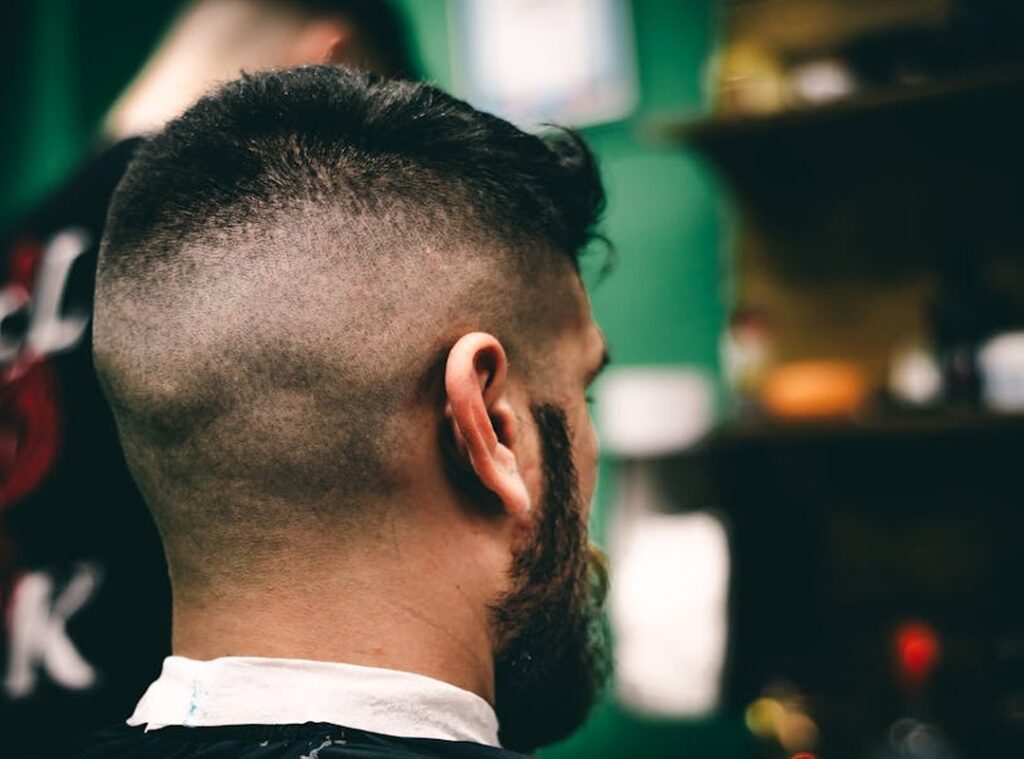
Let’s start with the low fade. This part of the haircut begins just above the ears and tapers down cleanly to the neckline. It’s different from mid and high fades, which start higher up on the head.
Now, the texture on top. Barbers use techniques like point-cutting or thinning shears to create movement. The goal is a piecey, dimensional look, not a flat, uniform appearance.
The blend is key. A seamless, gradual transition between the faded sides and the longer top is what makes a high-quality cut. If it’s done right, you won’t see any harsh lines.
Variations of the style can include pairing it with a quiff, fringe, or a hard part. This shows how adaptable the textured low fade can be.
Some guys go for a low fade fluffy hair look. This adds even more texture and volume, making the style stand out even more.
In summary, the textured low fade offers a perfect balance. Clean-cut precision on the sides with effortless style on top. It’s a versatile and modern look that works for a lot of different styles.
Is This Haircut Right for You? Face Shapes and Hair Types That Shine
Let’s talk about face shapes first. The textured low fade is a great choice for oval, square, and round faces. It adds structure without making your head look too long.
Oval faces get a chiseled look, while square and round faces benefit from the added definition.
Now, onto hair types. This style works well for straight, wavy, and even some curly hair. The texture on top can be customized to suit your specific hair type.
Straight hair gets a neat, clean look, and wavy hair gains a bit of a tousled, stylish edge. Curly hair can rock a low fade fluffy hair style with the right products and styling techniques.
If you’re dealing with thinning hair, this cut is a smart choice. The added texture creates an illusion of fullness and volume, making your hair appear thicker and fuller.
However, if you have very prominent ears, you might want to consider a mid-fade instead. A mid-fade can create a more balanced silhouette and draw less attention to your ears.
Here’s a quick self-assessment checklist to help you decide:
- Do you have an oval, square, or round face?
- Is your hair straight, wavy, or slightly curly?
- Are you looking to add volume and fullness to your hair?
- Do you have prominent ears that you’d rather not highlight?
If you answered yes to most of these, the textured low fade could be perfect for you.
How to Ask Your Barber for the Perfect Textured Low Fade

I once walked into a barbershop with a clear idea of what I wanted: a low skin fade that starts right above the ear, blended into a longer, textured top. But when I left, my hair looked nothing like I imagined. That’s when I learned the importance of being specific and using visual aids.
Tell your barber, “I’d like a low skin fade that starts right above the ear, blended into a longer, textured top.” This gives them a clear starting point.
Bring 2-3 reference photos on your phone, and visual aids eliminate any chance of miscommunication. Show your barber exactly what you mean by a low fade.
For the top section, be precise. Say, “Leave about 3 inches on top.” Use keywords like “choppy” or “piecey” to describe the texture. This helps your barber understand the look you’re going for.
Ask for a “blurry” or “seamless” transition. This ensures there are no harsh lines and the blend looks natural.
Don’t forget the finishing touches. A “line-up” or “edge-up” is when the barber sharpens the hairline around your temples and neck. Specify if you want a natural or sharp hairline.
One time, I asked for a line-up and ended up with a too-sharp edge. It didn’t match my low fade fluffy hair. Now, I always make sure to clarify what I want.
Pro tip: If you’re unsure, ask your barber for their opinion. They have the expertise and can offer valuable advice.
Styling at Home: Your 5-Minute Routine for Effortless Texture
Start with towel-dried, slightly damp hair. This is the ideal canvas for the best product distribution and hold.
Use matte clay for a strong, non-greasy finish. Styling powder adds volume and texture without weighing your hair down. Sea salt spray gives that beachy, tousled look.
Each has its own vibe, so pick what suits you.
Apply a dime-sized amount of your chosen product. Rub it between your palms to warm it up. Work it through your hair from roots to tips.
This builds volume and ensures even coverage.
Don’t forget the blow dryer. Set it on low heat and use it to lock in the style. It enhances the texture and gives your hair a more natural, lived-in look.
For the final touch, use your fingertips to twist and separate small sections. This creates that perfectly messy, intentional look.
Pro tip: For a low fade fluffy hair style, focus on the top and sides, using your fingers to create a bit of lift and separation.
Keeping Your Fade Fresh and Sharp Between Cuts
The low fade fluffy hair is not just a haircut; it’s a statement. It’s modern, versatile, and effortlessly stylish. With this guide, you now have all the tools needed to get and maintain this haircut with confidence.
Visit your barber every 2-4 weeks to keep the fade looking clean and sharp. This regular maintenance will ensure that your style stays on point.
As your hair grows out, use a bit more product to control the sides. This can help manage the transition and keep your look polished.
Book your next barbershop appointment today and step out with your new, fresh look.
 Head of Machine Learning & Systems Architecture
Justin Huntecovil is the kind of writer who genuinely cannot publish something without checking it twice. Maybe three times. They came to digital device trends and strategies through years of hands-on work rather than theory, which means the things they writes about — Digital Device Trends and Strategies, Practical Tech Application Hacks, Innovation Alerts, among other areas — are things they has actually tested, questioned, and revised opinions on more than once.
That shows in the work. Justin's pieces tend to go a level deeper than most. Not in a way that becomes unreadable, but in a way that makes you realize you'd been missing something important. They has a habit of finding the detail that everybody else glosses over and making it the center of the story — which sounds simple, but takes a rare combination of curiosity and patience to pull off consistently. The writing never feels rushed. It feels like someone who sat with the subject long enough to actually understand it.
Outside of specific topics, what Justin cares about most is whether the reader walks away with something useful. Not impressed. Not entertained. Useful. That's a harder bar to clear than it sounds, and they clears it more often than not — which is why readers tend to remember Justin's articles long after they've forgotten the headline.
Head of Machine Learning & Systems Architecture
Justin Huntecovil is the kind of writer who genuinely cannot publish something without checking it twice. Maybe three times. They came to digital device trends and strategies through years of hands-on work rather than theory, which means the things they writes about — Digital Device Trends and Strategies, Practical Tech Application Hacks, Innovation Alerts, among other areas — are things they has actually tested, questioned, and revised opinions on more than once.
That shows in the work. Justin's pieces tend to go a level deeper than most. Not in a way that becomes unreadable, but in a way that makes you realize you'd been missing something important. They has a habit of finding the detail that everybody else glosses over and making it the center of the story — which sounds simple, but takes a rare combination of curiosity and patience to pull off consistently. The writing never feels rushed. It feels like someone who sat with the subject long enough to actually understand it.
Outside of specific topics, what Justin cares about most is whether the reader walks away with something useful. Not impressed. Not entertained. Useful. That's a harder bar to clear than it sounds, and they clears it more often than not — which is why readers tend to remember Justin's articles long after they've forgotten the headline.