If you’re searching for a clear, practical guide to building a reliable CI/CD workflow, you’re in the right place. This article is designed to walk you through a complete cicd pipeline setup tutorial, breaking down complex concepts into actionable steps you can apply immediately. Whether you’re streamlining deployments, reducing integration errors, or accelerating release cycles, the goal here is simple: help you implement a pipeline that works in real-world environments.
We focus on proven DevOps practices, modern automation tools, and scalable architecture patterns that align with today’s fast-moving development standards. Every recommendation is grounded in hands-on technical analysis and aligned with current machine learning frameworks, digital infrastructure strategies, and emerging innovation trends.
By the end of this guide, you’ll understand not just how to configure your pipeline, but why each stage matters—from version control triggers to automated testing and deployment—so you can build with confidence and ship faster without sacrificing stability.
From Manual Builds to Automated Excellence: Your First CI/CD Pipeline
Back in 2019, many teams still deployed on Friday nights (and crossed their fingers). However, manual releases often caused delays, rollbacks, and late-night debugging. A CI/CD pipeline—Continuous Integration and Continuous Delivery, meaning automated code testing and deployment—solves this by moving code from commit to production reliably.
Some argue small teams don’t need automation. Yet after three months of scaling, most realize manual builds slow innovation.
In this cicd pipeline setup tutorial, you’ll move through key stages:
| Stage | Purpose |
|——-|———|
| Build | Compile code |
| Test | Run automated checks |
| Deploy | Release safely |
Consequently, you ship faster—with fewer surprises.
Decoding the Acronyms: Core CI/CD Concepts Explained
Continuous Integration (CI) is the practice of developers merging code into a shared repository frequently—often multiple times a day. Each merge triggers an automated build (turning source code into a runnable app) and automated tests to catch bugs early. Think of it like spellcheck for software, but smarter. If something breaks, you know immediately—not weeks later.
Continuous Delivery (CD) takes it further. After a successful build, changes are automatically prepared for release to staging or production. The key? A human still approves the final push.
- CI = frequent merges + automated testing
- CD = automated release preparation
Now, the debate: Continuous Delivery vs. Continuous Deployment. Deployment removes the manual approval step—every successful change goes live automatically. Critics argue this is risky. I disagree—if your tests are solid, automation reduces human error (yes, even yours).
Recommendation: Start with CI, adopt Delivery next, and move to Deployment only after completing a cicd pipeline setup tutorial and stabilizing your test coverage.
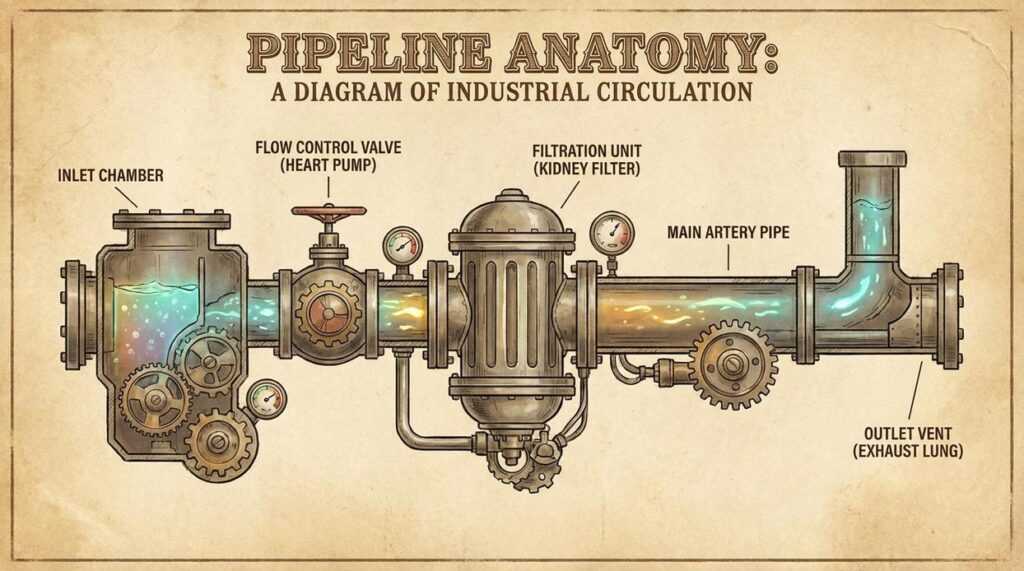
The Anatomy of a Modern Pipeline: A Stage-by-Stage Breakdown

Stage 1: Source Control (The Trigger)
Every modern CI/CD workflow begins with source control—typically Git repositories hosted on platforms like GitHub or GitLab. These systems act as the single source of truth, meaning the repository contains the authoritative version of your application’s codebase. When a developer pushes a commit or opens a merge request, it automatically triggers the pipeline.
This trigger-based model ensures traceability. Every change is logged, reviewable, and reversible. While some argue that smaller teams can “just coordinate manually,” that approach quickly breaks down as projects scale. Version control provides structured collaboration, branch protections, and audit trails—benefits that prevent costly production mistakes.
Stage 2: Build (The Assembly)
Once triggered, the pipeline moves into the build stage. Here, the system compiles source code, resolves dependencies, and packages everything into a runnable artifact such as a Docker image or JAR file.
This stage guarantees consistency. Instead of “it works on my machine,” you get a standardized artifact built in a controlled environment. Tools like Maven, Gradle, or Docker ensure dependency versions are locked and reproducible. As a result, deployment becomes predictable rather than experimental.
Stage 3: Test (The Quality Gate)
Next comes automated testing—the pipeline’s quality gate. Unit tests validate individual functions, integration tests confirm components work together, and static code analysis scans for security flaws or code smells.
Some critics argue that extensive testing slows development. In reality, automated tests accelerate delivery by catching defects early, when fixes are cheaper and faster. According to IBM research, defects fixed in production can cost up to 30x more than those resolved during development. Testing protects both speed and reputation.
Stage 4: Deploy (The Release)
Finally, the artifact is deployed to staging or production environments. Advanced strategies like blue-green deployments run two identical environments to minimize downtime, while canary releases gradually expose updates to a small user segment before full rollout.
If you’re following a cicd pipeline setup tutorial, this stage demonstrates the payoff: safer releases, reduced outages, and faster iteration cycles. Ultimately, the pipeline transforms code changes into reliable software delivery—with measurable, repeatable precision.
Selecting Your Toolkit: How to Choose the Right CI/CD Platform
Choosing a CI/CD platform isn’t just a tooling decision—it shapes how your team ships software. So, let’s break down your best options and when to use them.
Platform-Integrated Solutions (GitHub Actions, GitLab CI). These tools live inside your source control provider. That means seamless triggers, built-in permissions, and minimal setup. If you’re a startup or small team, this is usually my recommendation. However, critics argue they can feel limiting for highly customized workflows. Fair point—but for most teams, simplicity beats over-engineering (especially early on).
Dedicated Self-Hosted Tools (Jenkins). Jenkins is powerful and endlessly customizable. Enterprises love it for complex pipelines and strict compliance controls. On the flip side, you manage the infrastructure yourself. If you don’t have DevOps maturity, this can become a full-time job.
Managed Cloud Services (CircleCI, Travis CI). These strike a balance: strong features without server maintenance. They’re ideal if you want flexibility without babysitting infrastructure.
Before deciding, evaluate:
- Programming language support
- Docker and containerization capabilities
- Pricing and scaling model
- Community and plugin ecosystem
If you’re new, start simple. Pair your choice with a solid cicd pipeline setup tutorial and iterate. For backend projects, follow this step by step guide to building a rest api with nodejs to test your pipeline realistically. In short: choose the tool that matches your team’s complexity—not your ambition.
Avoiding Common Traps: Best Practices for a Resilient Pipeline
I’ll say it plainly: slow pipelines kill momentum. When builds drag, developers hesitate to push changes (and that hesitation compounds). Keep builds fast by caching dependencies and parallelizing test jobs. Modern CI tools support both, yet teams often ignore them because “it works well enough.” In my experience, “well enough” is the first step toward technical debt.
Treat your pipeline as code. Store configurations like Jenkinsfile or .gitlab-ci.yml alongside your app. Version control creates accountability, visibility, and safer experimentation. If you wouldn’t ship untracked app logic, why treat delivery logic differently?
Security isn’t optional. Use secret managers for API keys and passwords, and scan dependencies for vulnerabilities (OWASP regularly highlights supply chain risks).
Finally, ensure observability:
- Clear logs
- Slack alerts
- Fast failure reporting
If your cicd pipeline setup tutorial skips monitoring, it’s incomplete. Pro tip: fail loudly, fix quickly.
Start Automating Today: Your Next Steps to DevOps Mastery
Now that you understand the fundamentals, it’s time to turn knowledge into momentum. By launching your first pipeline, you immediately reduce deployment anxiety and reclaim hours lost to manual fixes. In other words, automation gives you consistency, speed, and confidence.
Instead of overhauling everything, start small. Choose a low-risk project and follow a cicd pipeline setup tutorial to automate build and test stages. As a result, you’ll catch bugs earlier and ship updates faster.
From there, iterate. Each improvement compounds, transforming your workflow into a reliable engine for high-velocity delivery success.
Take the Next Step Toward a Smarter CI/CD Workflow
You came here to understand how to streamline your automation and build a more reliable deployment process. Now you have a clearer path to implementing a cicd pipeline setup tutorial that removes bottlenecks, reduces manual errors, and accelerates delivery.
Slow releases, inconsistent builds, and last-minute deployment issues don’t just waste time — they hold back innovation. A well-structured CI/CD pipeline eliminates those pain points by creating repeatable, testable, and scalable workflows that your team can trust.
The next step is simple: start implementing what you’ve learned. Audit your current workflow, define your automation stages, and integrate testing and deployment triggers that align with your goals. If you want proven frameworks, real-world strategies, and expert-backed tutorials trusted by forward-thinking tech teams, explore our in-depth resources today.
Don’t let outdated processes slow you down. Build your optimized pipeline now and turn every code commit into a confident, automated release.
 Head of Machine Learning & Systems Architecture
Justin Huntecovil is the kind of writer who genuinely cannot publish something without checking it twice. Maybe three times. They came to digital device trends and strategies through years of hands-on work rather than theory, which means the things they writes about — Digital Device Trends and Strategies, Practical Tech Application Hacks, Innovation Alerts, among other areas — are things they has actually tested, questioned, and revised opinions on more than once.
That shows in the work. Justin's pieces tend to go a level deeper than most. Not in a way that becomes unreadable, but in a way that makes you realize you'd been missing something important. They has a habit of finding the detail that everybody else glosses over and making it the center of the story — which sounds simple, but takes a rare combination of curiosity and patience to pull off consistently. The writing never feels rushed. It feels like someone who sat with the subject long enough to actually understand it.
Outside of specific topics, what Justin cares about most is whether the reader walks away with something useful. Not impressed. Not entertained. Useful. That's a harder bar to clear than it sounds, and they clears it more often than not — which is why readers tend to remember Justin's articles long after they've forgotten the headline.
Head of Machine Learning & Systems Architecture
Justin Huntecovil is the kind of writer who genuinely cannot publish something without checking it twice. Maybe three times. They came to digital device trends and strategies through years of hands-on work rather than theory, which means the things they writes about — Digital Device Trends and Strategies, Practical Tech Application Hacks, Innovation Alerts, among other areas — are things they has actually tested, questioned, and revised opinions on more than once.
That shows in the work. Justin's pieces tend to go a level deeper than most. Not in a way that becomes unreadable, but in a way that makes you realize you'd been missing something important. They has a habit of finding the detail that everybody else glosses over and making it the center of the story — which sounds simple, but takes a rare combination of curiosity and patience to pull off consistently. The writing never feels rushed. It feels like someone who sat with the subject long enough to actually understand it.
Outside of specific topics, what Justin cares about most is whether the reader walks away with something useful. Not impressed. Not entertained. Useful. That's a harder bar to clear than it sounds, and they clears it more often than not — which is why readers tend to remember Justin's articles long after they've forgotten the headline.