
Staying ahead in today’s fast-moving tech landscape isn’t just an advantage—it’s a necessity. If you’re searching for clear insights into emerging innovations, practical machine learning frameworks, and actionable digital device strategies, this article is designed to give you exactly that. We break down complex concepts into practical guidance you can apply immediately, whether you’re exploring automation, AI-driven systems, or the evolving role of digital transformation industries.
Technology shifts quickly, and separating real breakthroughs from passing trends can be challenging. That’s why this guide focuses on verified innovation alerts, core technical principles, and structured tutorials that help you build real-world understanding—not just surface-level awareness.
Inside, you’ll find a focused look at the tools, frameworks, and strategic approaches shaping modern tech ecosystems. From foundational machine learning concepts to advanced implementation strategies, this article equips you with reliable, up-to-date insights so you can make informed decisions and stay competitive in a rapidly evolving digital environment.
Technological change is no longer linear; it’s exponential. I felt this firsthand when a simple workflow tool I recommended was obsolete six months later (it felt like upgrading to a new iPhone every quarter). The real challenge isn’t adoption—it’s discernment. Which innovations truly reshape markets, and which are just shiny distractions?
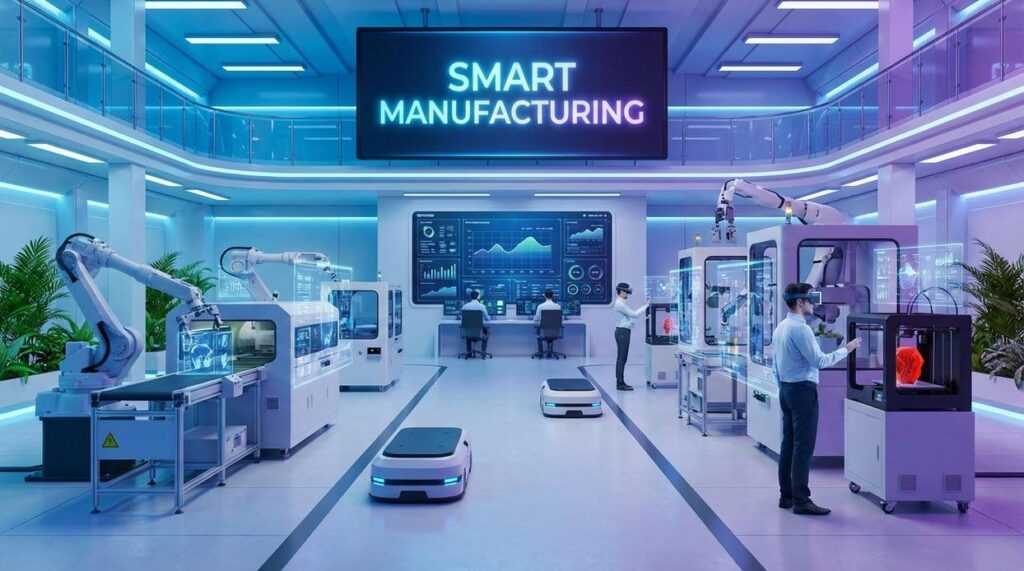
This guide cuts through the hype across digital transformation industries, from healthcare diagnostics powered by machine learning (ML, systems that learn from data) to smart manufacturing robotics.
What matters now:
- Practical AI frameworks
- Automation with measurable ROI
- Secure cloud ecosystems
Consider this your grounded roadmap to meaningful, lasting change.
Healthcare Reimagined: AI Diagnostics and Personalized Medicine
Healthcare is changing fast, so let’s break it down simply. First, AI diagnostics use machine learning—software that learns from data—to analyze medical images like X-rays and MRIs. Instead of replacing doctors, these systems highlight subtle patterns a human eye might miss. In fact, studies show certain AI models match or exceed radiologist accuracy in detecting conditions such as breast cancer (Nature, 2020). Earlier detection means earlier treatment. However, skeptics argue algorithms can inherit bias from training data. That’s fair. The solution isn’t abandoning AI, but improving datasets and oversight.
Next, IoT (Internet of Things) remote monitoring connects wearables and smart sensors to healthcare systems. These devices stream real-time data—heart rate, glucose levels, oxygen saturation—so clinicians can intervene before complications escalate. Consequently, hospital readmissions drop (NEJM Catalyst, 2018). Think of it as preventive care with a Fitbit-level interface (but far more clinical).
Meanwhile, genomic sequencing decodes a person’s DNA. Thanks to faster computing, costs have plummeted since the Human Genome Project (NIH). This enables personalized medicine—treatments tailored to your genetic profile.
To evaluate new tools in digital transformation industries, use this mini-framework: verify data security, confirm interoperability (systems working together), and demand clinical validation through peer-reviewed trials.
Finance Disrupted: From Algorithmic Trading to Decentralized Ledgers
The Rise of FinTech
Mobile-first banking and AI-driven robo-advisors (automated platforms that build and rebalance portfolios using algorithms) have reshaped access to finance. A college student can now invest with $10 from a phone—no mahogany desks required. Critics argue this “democratization” oversimplifies investing and nudges inexperienced users into risky markets. That concern isn’t unfounded; easy access can encourage impulsive trades (Robinhood learned this the hard way). Yet data shows robo-advisors often reduce fees and emotional decision-making compared to traditional advisory models (SEC Investor Bulletin, 2023). Access, when paired with education, expands opportunity.
Blockchain and Security
Beyond crypto speculation, blockchain is a decentralized ledger—a shared database that records transactions immutably. Opponents say traditional databases are faster and cheaper. True, for small systems. But in supply chain finance and cross-border payments, transparency and tamper-resistance reduce fraud and reconciliation costs (World Economic Forum, 2020). That’s why it’s central to digital transformation industries and featured in discussions about emerging technology trends that will shape the next decade.
AI in Fraud Detection
Machine learning scans millions of transactions in real time to flag anomalies. Supervised learning trains on labeled fraud examples; unsupervised learning detects unusual patterns without predefined labels. Some argue AI creates false positives. Fair—but modern systems continuously retrain, reducing friction while stopping fraud before it scales.
The Smart Factory: Automation and Data in Modern Manufacturing

Modern manufacturing runs on data. Industrial IoT (IIoT)—networks of connected sensors embedded in machines—creates continuous performance streams. Instead of fixing equipment after it breaks, teams use predictive maintenance (data-driven forecasts of failure) to intervene early. For example, vibration sensors on a CNC machine can flag abnormal patterns days before a spindle fails, preventing costly downtime. Pro tip: start with one high-value asset, measure downtime reduction, then scale.
Some critics argue that constant monitoring is expensive and complex. Fair. But McKinsey reports predictive maintenance can reduce machine downtime by 30–50% (McKinsey & Company). The ROI often outweighs setup friction.
Cobots and Digital Twins in Action
Unlike traditional robots locked in cages, cobots (collaborative robots designed to work safely beside humans) handle repetitive tasks while operators manage quality control. Think of them as the factory equivalent of a dependable sous-chef.
A digital twin—a virtual replica of a machine or process—lets teams simulate stress tests before real-world rollout. For instance, manufacturers can model production bottlenecks and adjust workflows without halting operations.
Innovation alert: edge computing processes data locally on devices, enabling split-second decisions critical to digital transformation industries. Start by deploying edge gateways on latency-sensitive lines to test impact before full integration.
Retail Revolution: Personalization and Immersive Experiences
Retail’s new battleground is hyper-personalization. AI and machine learning now analyze browsing history, purchase data, and even mouse movements (yes, your hesitations count) to predict what you’ll buy next. This practice—called predictive analytics, meaning data models that forecast behavior—powers recommendation engines like Amazon’s, which drives up to 35% of its revenue through suggestions (McKinsey). Some critics argue this feels intrusive. I get that. But when it’s done well, it replaces irrelevant ads with genuinely useful options. I’d rather see running shoes than random lawnmowers.
Augmented reality (AR), which overlays digital elements onto the real world, is reshaping e-commerce. IKEA Place lets you position virtual furniture in your living room before buying. Sephora’s virtual try-on mirrors do the same for makeup. Skeptics say AR is gimmicky. I disagree. Seeing is deciding—and returns drop when expectations match reality.
Behind the scenes, automated warehousing uses robotics and smart inventory systems to enable same-day delivery. These systems, core to digital transformation industries, reduce picking errors and speed fulfillment (Deloitte).
Finally, seamless omnichannel strategy connects apps, websites, and stores into one fluid journey. When it works, it feels invisible—and that’s exactly the point.
Adapting to the Future: Your Next Move
Technological shifts in healthcare, finance, manufacturing, and retail aren’t isolated upgrades; they’re signals of a broader, interconnected evolution across digital transformation industries. The real danger isn’t choosing the wrong platform—it’s standing still while your sector rewrites the rules.
To stay competitive, focus on continuous learning and targeted integration:
- Identify one bottleneck in your workflow.
- Map it to a tool like AI-driven analytics or IoT sensors.
- Pilot, measure results, then scale.
For example, a retailer using IoT to track inventory in real time cuts waste fast. Start small. Test deliberately. Adapt relentlessly and iterate.
Step Into the Next Wave of Innovation
You came here looking for clarity on how innovation alerts, core tech concepts, digital device strategies, and machine learning frameworks fit into today’s fast-moving landscape. Now you have a clearer understanding of how these elements connect—and how they shape the future of digital transformation industries.
The real challenge isn’t access to information. It’s keeping up with constant change, filtering the noise, and knowing which technologies are actually worth your time and investment. Falling behind doesn’t just slow growth—it creates competitive gaps that are hard to close.
The solution is simple: stay informed, stay strategic, and act early. Monitor emerging frameworks. Apply proven device strategies. Continue building your technical depth so you’re ready before the next shift hits.
If you’re serious about staying ahead in digital transformation industries, now is the time to take action. Explore our expert tutorials, subscribe to real-time innovation alerts, and leverage battle-tested machine learning frameworks used by forward-thinking professionals. Join thousands of tech-driven readers who rely on our insights to cut through complexity and move faster.
Don’t wait for disruption to force your hand—equip yourself today and lead the change.
 Head of Machine Learning & Systems Architecture
Justin Huntecovil is the kind of writer who genuinely cannot publish something without checking it twice. Maybe three times. They came to digital device trends and strategies through years of hands-on work rather than theory, which means the things they writes about — Digital Device Trends and Strategies, Practical Tech Application Hacks, Innovation Alerts, among other areas — are things they has actually tested, questioned, and revised opinions on more than once.
That shows in the work. Justin's pieces tend to go a level deeper than most. Not in a way that becomes unreadable, but in a way that makes you realize you'd been missing something important. They has a habit of finding the detail that everybody else glosses over and making it the center of the story — which sounds simple, but takes a rare combination of curiosity and patience to pull off consistently. The writing never feels rushed. It feels like someone who sat with the subject long enough to actually understand it.
Outside of specific topics, what Justin cares about most is whether the reader walks away with something useful. Not impressed. Not entertained. Useful. That's a harder bar to clear than it sounds, and they clears it more often than not — which is why readers tend to remember Justin's articles long after they've forgotten the headline.
Head of Machine Learning & Systems Architecture
Justin Huntecovil is the kind of writer who genuinely cannot publish something without checking it twice. Maybe three times. They came to digital device trends and strategies through years of hands-on work rather than theory, which means the things they writes about — Digital Device Trends and Strategies, Practical Tech Application Hacks, Innovation Alerts, among other areas — are things they has actually tested, questioned, and revised opinions on more than once.
That shows in the work. Justin's pieces tend to go a level deeper than most. Not in a way that becomes unreadable, but in a way that makes you realize you'd been missing something important. They has a habit of finding the detail that everybody else glosses over and making it the center of the story — which sounds simple, but takes a rare combination of curiosity and patience to pull off consistently. The writing never feels rushed. It feels like someone who sat with the subject long enough to actually understand it.
Outside of specific topics, what Justin cares about most is whether the reader walks away with something useful. Not impressed. Not entertained. Useful. That's a harder bar to clear than it sounds, and they clears it more often than not — which is why readers tend to remember Justin's articles long after they've forgotten the headline.