
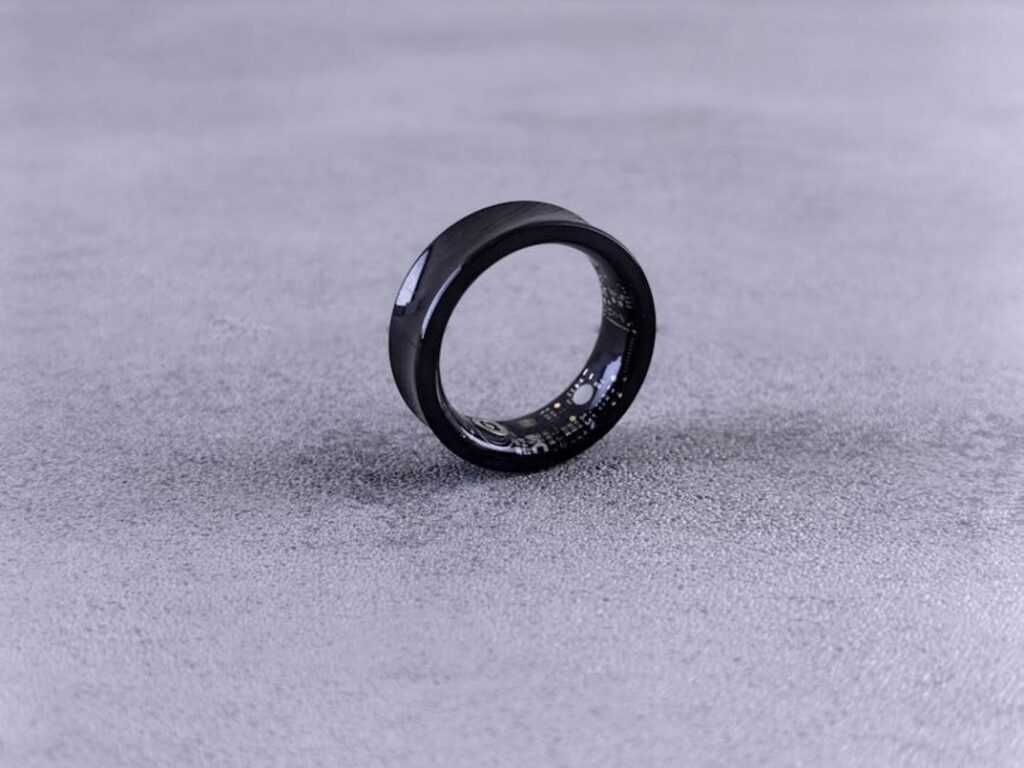
Wearables have moved far beyond step counters and notification pings. If you’re searching for clarity on where smartwatches, fitness trackers, AR glasses, and biometric devices are heading next, this article is built for you. We break down the latest shifts in wearable tech evolution, from advanced health monitoring sensors to AI-powered personalization and seamless device ecosystems.
The pace of innovation can make it difficult to separate meaningful breakthroughs from marketing hype. That’s why this guide focuses on practical developments, real-world applications, and the underlying technologies driving change. We’ve reviewed emerging device architectures, machine learning integrations, and current hardware trends to give you a grounded, forward-looking perspective.
By the end, you’ll understand not just what’s new in wearable technology, but why it matters—how it impacts performance, privacy, battery efficiency, and the future of connected living. Whether you’re a tech enthusiast, developer, or strategic decision-maker, you’ll gain insights you can actually apply.
From Calculator Watches to Health Hubs
The wearable tech evolution began in the 1970s with calculator watches—bulky, button-packed devices that turned wrists into mini keypads. Fun? Yes. Essential? Not quite (unless you were living in Back to the Future). By the 2000s, Bluetooth headsets enabled hands-free calls, signaling mobility as a benefit. Today’s smartwatches integrate optical heart-rate sensors, ECG monitoring, GPS tracking, and machine learning–driven insights that detect irregular rhythms (Apple Heart Study, 2019).
• Modern wearables deliver real-time health data, sleep analytics, and productivity alerts—transforming gadgets into proactive health hubs.
Accuracy continues improving through AI-powered personalization. Proactive care wins.
The Pioneers: Calculators, Cameras, and Casino Cheaters (1960s–1980s)
As we explore the remarkable evolution of wearable tech from basic fitness trackers to advanced smart health devices, it’s essential to stay informed about the latest innovations and trends in this rapidly advancing field, which you can discover further in our article on Technology Updates Etrstech.
The true spark of wearable computing wasn’t a smartwatch—it was a shoe. In 1961, Edward O. Thorp and Claude Shannon built a concealed wearable computer to predict roulette outcomes. Wearable computer here meant a body-worn device that processed real-time data. A vs. B: while casinos relied on probability tables, Thorp and Shannon relied on live micro-calculations hidden in clothing. One was static math; the other was dynamic prediction (and yes, it rattled a few pit bosses).
Fast forward to 1975. The Pulsar calculator watch brought computation to the wrist. Compared side-by-side with the roulette rig, Pulsar was consumer-facing rather than covert. It didn’t beat the house; it balanced your checkbook. A single-function device, sure—but suddenly personal tech felt portable.
Then came the Seiko TV Watch in 1982, famously appearing in Octopussy. A vs. B again: Pulsar handled numbers; Seiko streamed live video via external receiver. Practical? Debatable. Cool? Undeniably. (Bond made it look smoother than it actually was.)
This era of wearable tech evolution prioritized novelty and specialization over daily convenience:
- Gambling prediction
- Wrist-based calculation
- Portable television viewing
Cumbersome, niche, sometimes impractical—but foundational. Pro tip: early limitations often signal where future breakthroughs will refine, not replace, the core idea.
The Digital Age & Early Connectivity (1990s–2000s)
The early 2000s marked what many call the “wireless leap.” Bluetooth headsets, first popularized around 2000–2001, cut the final cord between phone and user. Bluetooth—a short-range wireless communication standard—allowed devices to exchange data over radio waves without physical cables. Suddenly, hands-free calls weren’t just for action movies; they were everyday reality. (Yes, including those slightly awkward one-sided conversations in grocery store aisles.) Counterargument: some critics argued Bluetooth audio quality was inconsistent and headsets looked intrusive. Fair. Early versions did suffer from connectivity drops. But the trade-off—mobility and safety, especially while driving—proved transformative. Pro tip: when adopting any new wireless device, always check supported Bluetooth versions to avoid compatibility headaches.
Then came 2009 and the first Fitbit. Unlike devices that simply displayed information, Fitbit collected personal data—steps taken, calories burned, sleep duration—using accelerometers (sensors that measure motion). This shift from output to input redefined personal tech. Data wasn’t just shown; it was harvested and analyzed. According to the Pew Research Center, self-tracking behaviors increased significantly in the 2010s as wearable devices gained popularity. Skeptics worried about privacy (a valid concern), but users embraced measurable progress toward health goals.
Earlier, Microsoft’s SPOT watch (2004) experimented with pushing news, weather, and stock updates to the wrist via FM radio signals. It wasn’t “smart” by today’s standards, but it previewed notification culture.
This era’s defining trait was purposeful miniaturization. Smaller chips, basic sensors, and focused data collection laid the groundwork for wearable tech evolution. Practical takeaway: start with one measurable goal—like daily steps—and let data guide incremental improvements rather than chasing every new feature.
The Ecosystem Era: When Wearables Became Smartphone Companions (2010s)
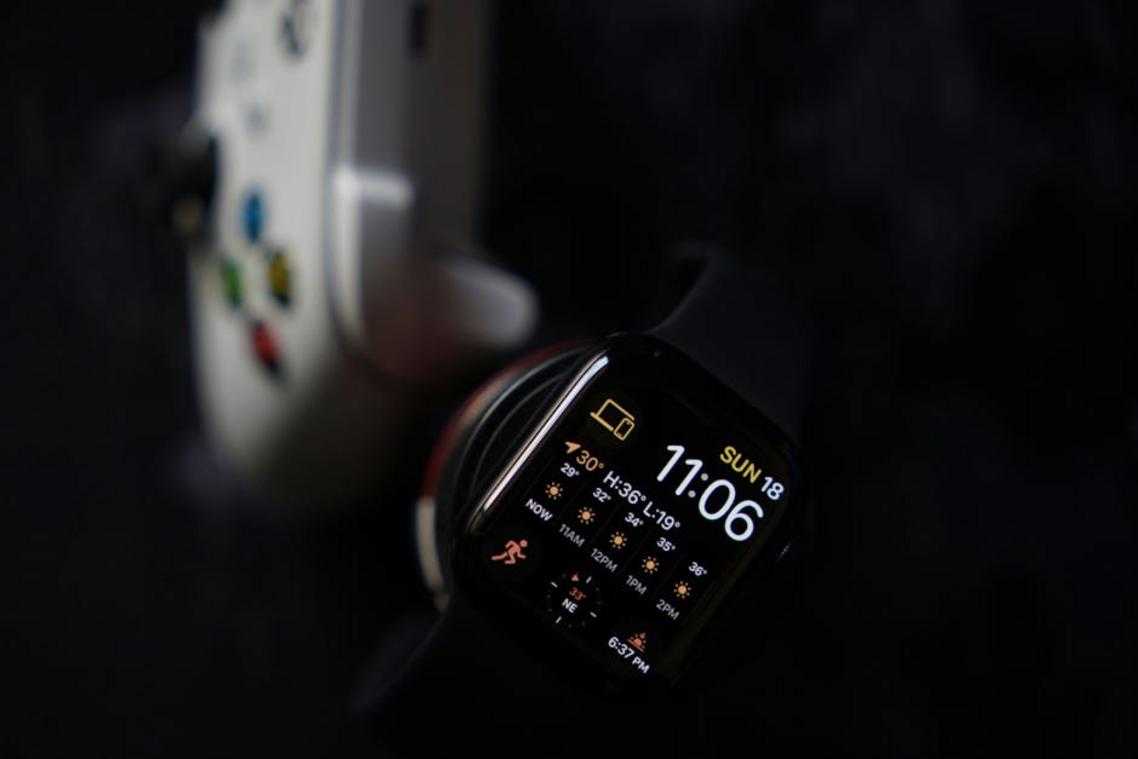
At first, skeptics weren’t convinced anyone needed a “smart” watch. After all, smartphones already did everything. Then Pebble launched on Kickstarter in 2012—and raised over $10 million (Kickstarter, 2012). That record-breaking campaign proved real consumer demand for a connected watch that delivered notifications, fitness tracking, and customizable apps on your wrist. In other words, the market had spoken.
However, the true mainstream tipping point arrived in 2015 with the Apple Watch. Unlike earlier devices, it wasn’t trying to replace the phone. Instead, it extended the iPhone experience through deep iOS integration. Messages, calls, maps, and a growing App Store ecosystem turned the watch into a seamless companion. This tight ecosystem strategy—hardware plus software plus services—made adoption easier and more intuitive (think less sci‑fi gadget, more everyday utility à la James Bond).
Meanwhile, the sensor explosion changed everything. Early wearables tracked steps. Soon, they measured heart rate, then ECG (electrocardiogram, which records the heart’s electrical signals), and later blood oxygen saturation (SpO2). Apple’s ECG feature even received FDA clearance in 2018 (U.S. FDA). As a result, wearables shifted from convenience accessories to serious health monitoring tools.
Some critics argued this deep integration locked users into closed ecosystems. That’s fair. Yet for many, reliability and cohesive app experiences outweighed openness concerns.
Ultimately, this phase of wearable tech evolution centered on integration, third-party apps, and health intelligence. And if you’re weighing connected device performance trade-offs today, our laptop buying guide performance vs portability in 2026 offers a practical framework for making smarter ecosystem decisions.
Beyond the Wrist: Smart Rings, Hearables, and Invisible Tech (2020s and Beyond)
The biggest shift in wearable tech evolution isn’t happening on your wrist anymore. It’s happening everywhere else.
Smart rings like the Oura Ring focus on sleep tracking and recovery, using tiny sensors to monitor heart rate variability (HRV)—a measure of nervous system balance. Hearables (wireless earbuds with built-in computing power) now act as always-on assistants, translating languages, tracking activity, and delivering notifications. Smart glasses are reviving augmented reality (AR), layering digital information over the physical world (yes, very sci‑fi, but increasingly practical).
Some argue these form factors are gimmicks—expensive accessories solving niche problems. That’s fair. Not everyone needs a ring and smart glasses. But discreet, single-purpose devices often deliver better data because they’re worn consistently. And consistency is everything in health tracking.
The real leap comes from AI and machine learning (ML). Instead of raw step counts, devices now provide:
- Predictive health alerts
- Personalized coaching
- Stress detection via electrodermal activity (EDA), which measures subtle skin conductivity changes
Next frontier? Non-invasive glucose monitoring and smart textiles with embedded sensors.
Recommendation: Choose devices that prioritize actionable insights over flashy dashboards. If it doesn’t guide a decision—sleep earlier, hydrate more, manage stress—it’s just noise. Pro tip: prioritize battery life and ecosystem compatibility before committing.
What Your Wearable Will Do Next
We’ve watched the wearable tech evolution move from step counters to AI-driven health copilots. Early devices calculated; today’s models connect—syncing ECG readings, blood oxygen levels, sleep cycles, and stress metrics into unified dashboards. The shift is from raw data to interpretation, where on-device machine learning flags anomalies before you notice symptoms (yes, like Jarvis—but smaller).
Skeptics argue it’s feature overload. Fair. But integration delivers real benefits: proactive alerts, adaptive coaching, seamless smart-home control.
Next comes invisible integration—biosensors woven into fabrics, passive monitoring, predictive insights—so your “device” fades away while your health intelligence sharpens.
The Next Step in Wearable Innovation
You set out to understand where wearable tech evolution is heading and how it impacts your decisions in devices, development, and digital strategy. Now you have a clearer view of the breakthroughs shaping smarter sensors, AI-driven personalization, seamless connectivity, and the frameworks powering next-generation performance.
The real challenge isn’t access to information—it’s keeping up as innovation accelerates. Falling behind means missed opportunities, outdated systems, and strategies that no longer compete in a rapidly shifting tech landscape.
The next move is simple: stay ahead of the curve. Subscribe for real-time innovation alerts, explore practical machine learning frameworks, and apply proven digital device strategies that keep you competitive. Join thousands of forward-thinking tech professionals who rely on expert insights and actionable tutorials to stay ahead. Get the updates, apply the strategies, and lead the next wave of innovation today.
 Founder & Chief Executive Officer (CEO)
Velrona Durnhanna writes the kind of llusyep machine learning frameworks content that people actually send to each other. Not because it's flashy or controversial, but because it's the sort of thing where you read it and immediately think of three people who need to see it. Velrona has a talent for identifying the questions that a lot of people have but haven't quite figured out how to articulate yet — and then answering them properly.
They covers a lot of ground: Llusyep Machine Learning Frameworks, Innovation Alerts, Core Tech Concepts and Breakdowns, and plenty of adjacent territory that doesn't always get treated with the same seriousness. The consistency across all of it is a certain kind of respect for the reader. Velrona doesn't assume people are stupid, and they doesn't assume they know everything either. They writes for someone who is genuinely trying to figure something out — because that's usually who's actually reading. That assumption shapes everything from how they structures an explanation to how much background they includes before getting to the point.
Beyond the practical stuff, there's something in Velrona's writing that reflects a real investment in the subject — not performed enthusiasm, but the kind of sustained interest that produces insight over time. They has been paying attention to llusyep machine learning frameworks long enough that they notices things a more casual observer would miss. That depth shows up in the work in ways that are hard to fake.
Founder & Chief Executive Officer (CEO)
Velrona Durnhanna writes the kind of llusyep machine learning frameworks content that people actually send to each other. Not because it's flashy or controversial, but because it's the sort of thing where you read it and immediately think of three people who need to see it. Velrona has a talent for identifying the questions that a lot of people have but haven't quite figured out how to articulate yet — and then answering them properly.
They covers a lot of ground: Llusyep Machine Learning Frameworks, Innovation Alerts, Core Tech Concepts and Breakdowns, and plenty of adjacent territory that doesn't always get treated with the same seriousness. The consistency across all of it is a certain kind of respect for the reader. Velrona doesn't assume people are stupid, and they doesn't assume they know everything either. They writes for someone who is genuinely trying to figure something out — because that's usually who's actually reading. That assumption shapes everything from how they structures an explanation to how much background they includes before getting to the point.
Beyond the practical stuff, there's something in Velrona's writing that reflects a real investment in the subject — not performed enthusiasm, but the kind of sustained interest that produces insight over time. They has been paying attention to llusyep machine learning frameworks long enough that they notices things a more casual observer would miss. That depth shows up in the work in ways that are hard to fake.
